Sourcing · Diamonds & coloured stones · Worldwide
You describe the stone. We go and find it.
Two decades of relationships with vendors, cutters and manufacturers, put to work for you — including the stones a showcase simply cannot reach.
How the search works
Looking at a whole market, not a single case
A shop can show you what it owns, or what its few suppliers happen to have on hand. That is a narrow slice of what exists in the world. When someone wants something particular — an exact colour, an unusual cut, a certain proportion — the counter often simply cannot reach it.
So we go looking properly. You describe what you’re imagining: shape, size range, the tolerance you have on colour and clarity, what you’d like to spend, and how the stone needs to sit in the setting we’ve discussed. Options come back with certificates, and then comes the part that really matters — saying out loud what the paper leaves out.
Two stones can carry identical grades from the same laboratory and look nothing alike across a dinner table. Fluorescence, cut precision, where an inclusion happens to sit, how a stone behaves in candlelight versus daylight. None of that is printed anywhere.
What we’re asked for
Briefs that arrive most often
One
A particular fancy colour
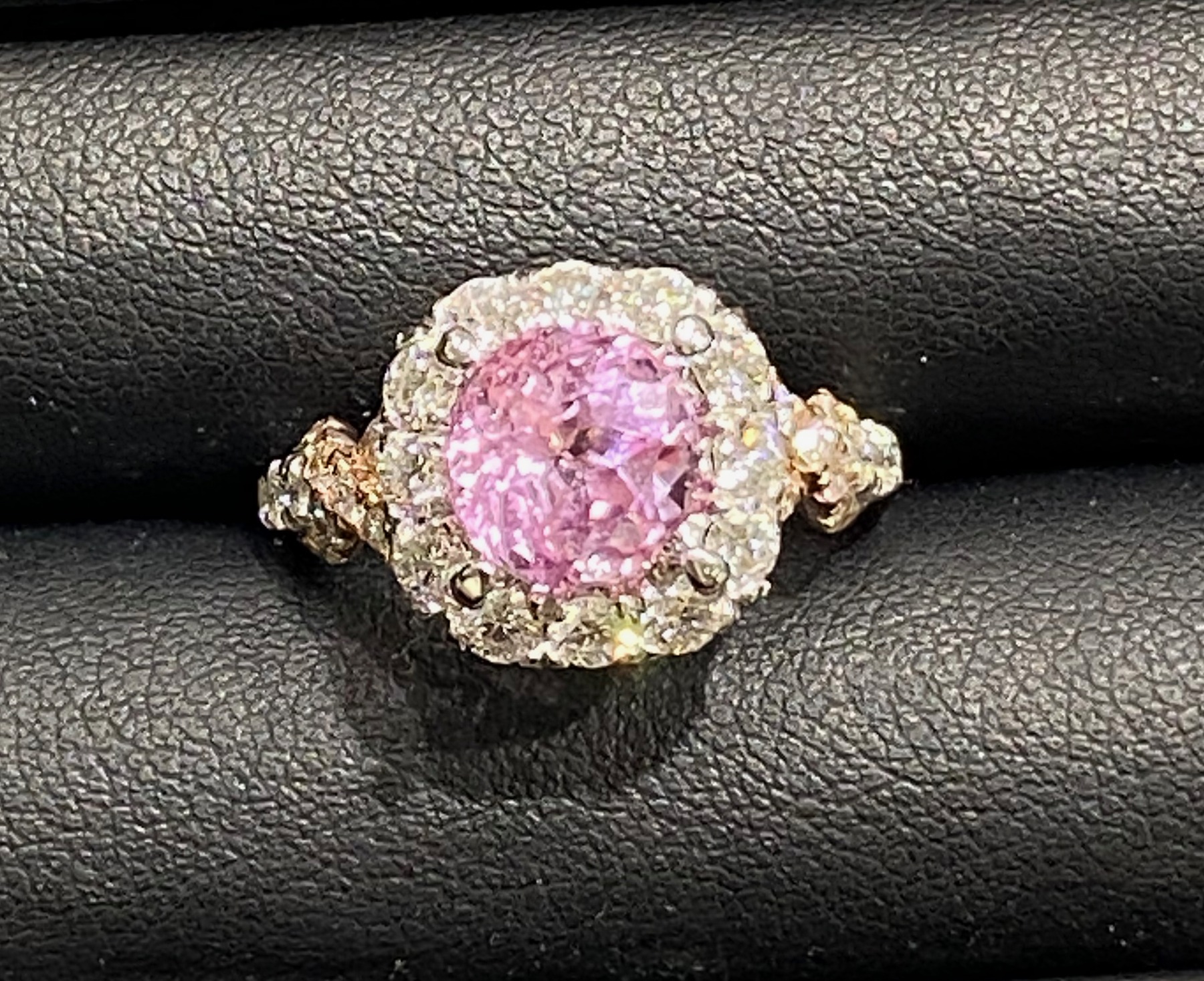
Yellow, pink, champagne. The market for these are thin and grading is a matter of the eye, so they are rarely findable through ordinary channels at all.
Two
The most beautiful stone that exceeds your expectations
Where to spend and where to ease off. Finding the perfect cut, clarity and color that will steal their heart without having to compromise; we will find a stone that delivers!
Three
Fancy cuts
A specialty that requires an experienced eye. Each one as unique as the next, making it near impossible to judge by modern cut grading alone. If you are looking to find something extraordinary, your options will not be limited to what’s overly trendy or suddenly popular here.
Four
A second opinion
Send the certificate and the price and we’ll tell you honestly what you’re looking at. No obligation beyond the conversation.
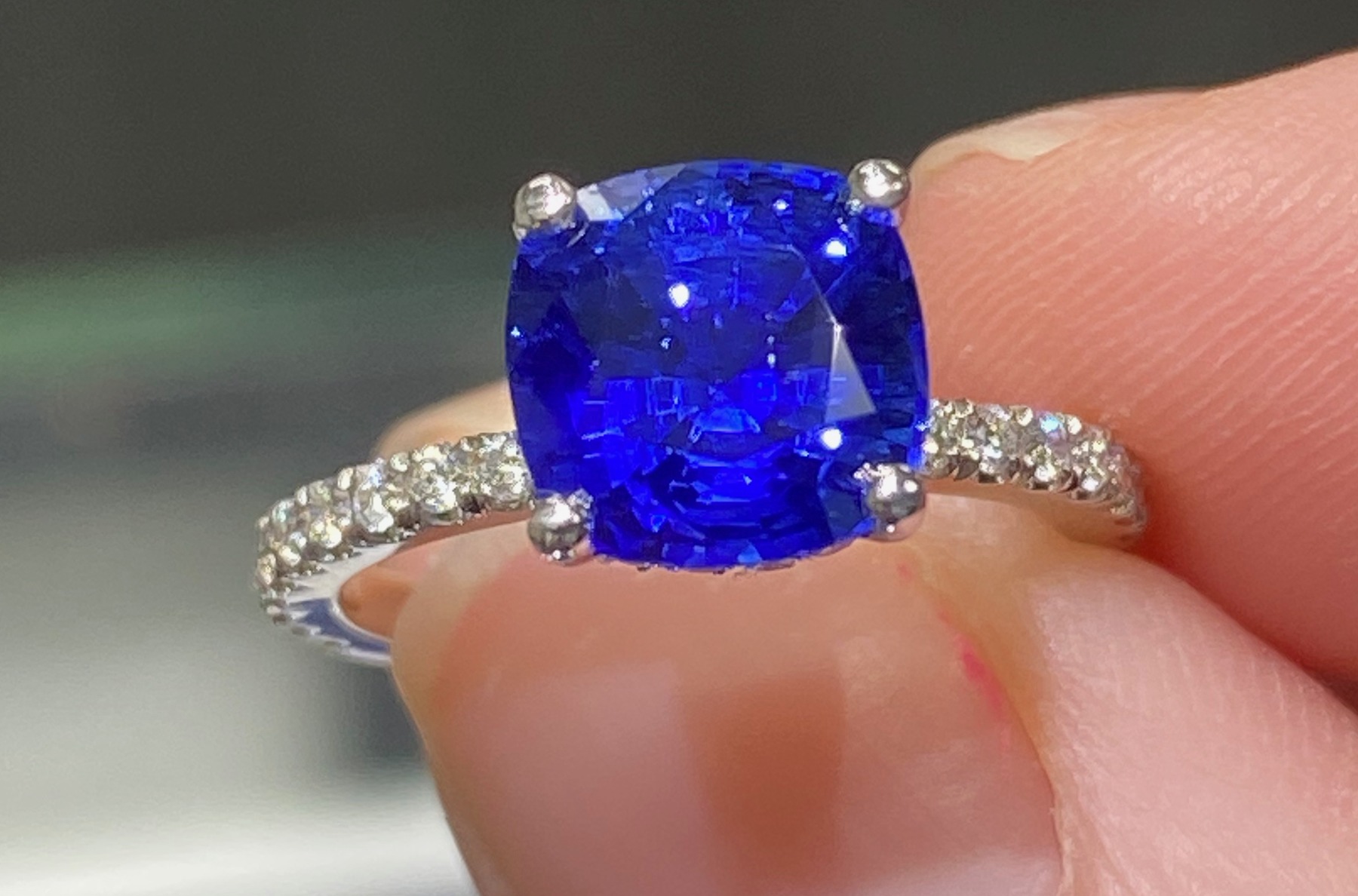
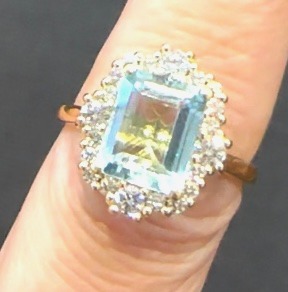
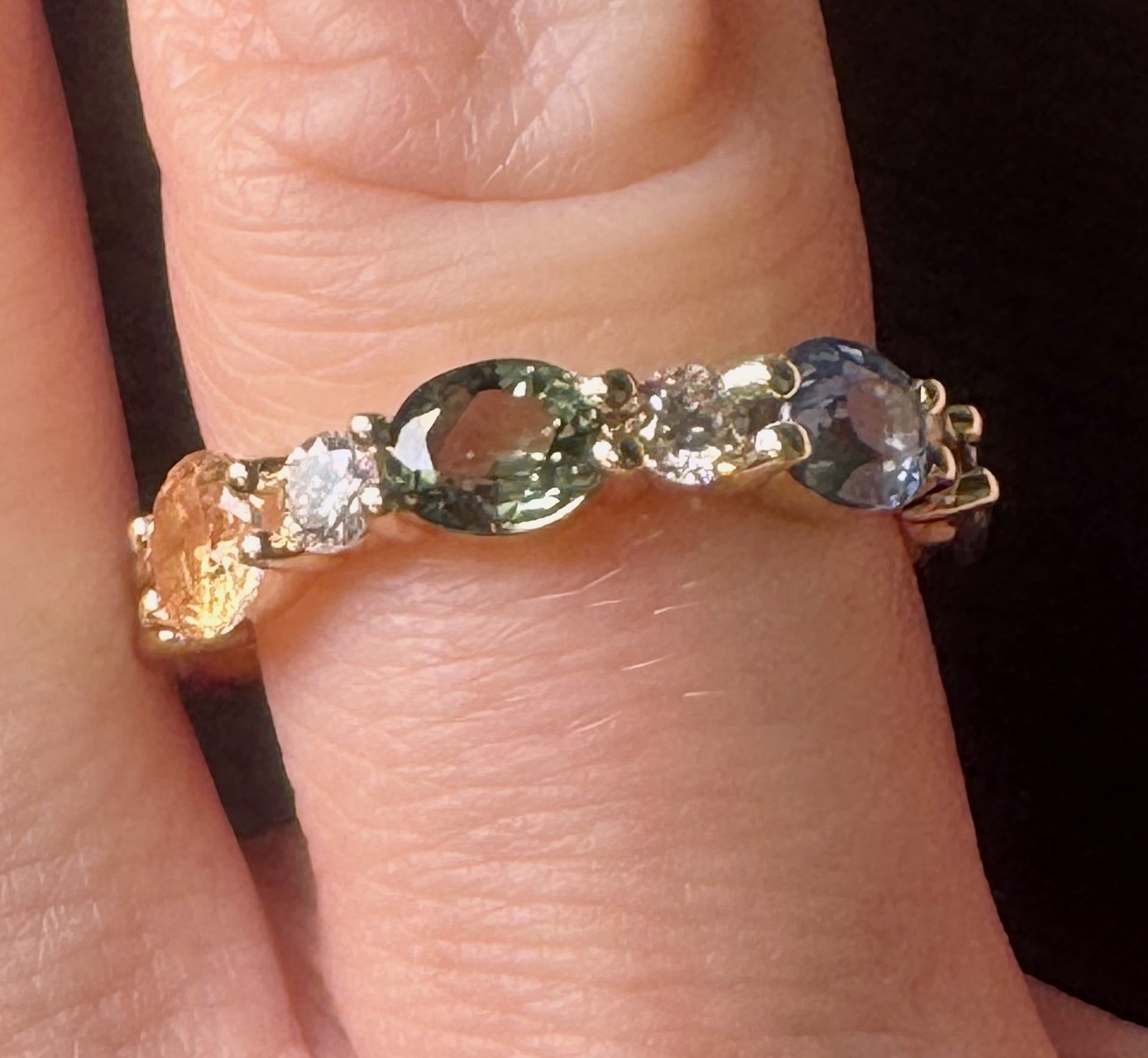
Sourced to brief
Questions
Natural or lab-grown?
Are GIA and IGI certificates the same thing?
Can you look at a stone another jeweler has quoted me?
Do you source coloured stones as well?
Next step
Tell us what you’re imagining.
The first appointment is free. Bring your jewelry, ideas and we will talk through what is possible and what feels right for you.